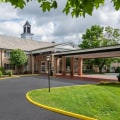
Guesthouse owners often need to balance hospitality with the practical responsibilities of maintaining a safe and functional property. Comfort begins with the basics, including clean rooms, reliable heating and cooling, comfortable bedding, adequate lighting, and well-maintained bathrooms. Guests also tend to notice smaller details such as noise levels, ventilation, water pressure, and the overall condition of furniture and fixtures. Regularly reviewing these elements can help owners identify minor issues before they affect the guest experience. A comfortable property does not necessarily require luxury upgrades, but it should feel clean, dependable, and thoughtfully maintained.
Building a Preventive Maintenance Routine
Preventive maintenance can help guesthouse owners avoid unexpected breakdowns and more expensive repairs. Creating a schedule for checking plumbing, electrical systems, HVAC equipment, roofing, appliances, doors, windows, and drainage can make property management more organized. Small problems such as dripping faucets, loose handrails, damaged seals, or clogged gutters may seem minor but can develop into larger concerns when ignored. Keeping records of inspections and repairs also helps owners understand which parts of the property require frequent attention and when major components may need replacement.
Paying Attention to Indoor Air Quality
Indoor air quality plays an important role in both comfort and property safety. Guesthouses may experience frequent changes in occupancy, which can affect ventilation, humidity, and overall air circulation. Owners should watch for signs of excess moisture, mold, persistent odors, or poor airflow. Depending on the property and local conditions, additional environmental testing may also be appropriate. Services such as York PA Radon Pros may be considered when owners want to evaluate potential radon concerns and better understand environmental conditions that could affect indoor spaces. Addressing air quality issues can help create a healthier and more comfortable environment for both guests and staff.
Prioritizing Fire and Electrical Safety
Fire and electrical safety should remain a consistent part of guesthouse management. Smoke alarms, carbon monoxide detectors, fire extinguishers, emergency lighting, and clearly marked exits should be inspected regularly. Electrical outlets, extension cords, appliances, and wiring should also be checked for visible damage or signs of overheating. Guesthouse owners may benefit from having qualified professionals evaluate systems when problems are suspected. Clear emergency information can also help guests understand what to do if an unexpected situation occurs.
Maintaining Safe Walking Areas
Because guests may be unfamiliar with the property, walkways and common areas should be easy to navigate. Loose flooring, uneven steps, damaged pavement, poor lighting, and clutter can increase the risk of trips and falls. Entrances, hallways, stairways, patios, and parking areas should be checked routinely for hazards. Outdoor surfaces may require additional attention during periods of heavy rain, snow, or other weather conditions. Prompt repairs and adequate lighting can help make movement around the property safer.
Managing Moisture and Water Damage
Water intrusion can quickly affect guest comfort and create expensive maintenance problems. Roof leaks, plumbing issues, poor drainage, and condensation can damage walls, flooring, furniture, and structural materials. Guesthouse owners should investigate stains, musty smells, peeling paint, or unexplained dampness rather than simply covering them. Keeping gutters clear, maintaining seals around windows and doors, and repairing plumbing leaks promptly can reduce the risk of long-term damage.
Keeping Security Practical and Guest-Friendly
Security measures should protect the property without making guests feel uncomfortable. Reliable locks, exterior lighting, controlled access, and secure windows can provide basic protection. Owners may also use cameras in appropriate exterior or common areas while respecting privacy requirements. Procedures for lost keys, late arrivals, and emergency contacts should be clear and consistent. Staff should understand how to respond to security concerns without creating unnecessary disruption for other guests.
Balancing Upgrades With Ongoing Care
Guesthouse owners may be tempted to focus primarily on visible renovations, but routine maintenance and safety improvements can be equally important. New décor or upgraded furniture can improve appearance, while less noticeable work such as repairing ventilation, updating detectors, sealing leaks, or improving lighting may have a greater impact on long-term performance. By combining guest comfort with preventive maintenance and regular safety checks, owners can create a property that remains welcoming, dependable, and easier to manage over time.